Skip to content
Home » Learn » Costa Rica Toll Roads: How To Pay, Which Lane To Use, And What You Will Actually Spend

Costa Rica Toll Roads: How To Pay, Which Lane To Use, And What You Will Actually Spend

  • Which roads have tolls
  • Which price category applies to your rental car
  • Which toll lane and sign you should follow when you get there

This guide walks you through all three, with links to the official, up to date toll prices.

The most common toll road for visitors is:

  • Ruta 27 (San José – Caldera)
    This is the main highway between San José and the Central Pacific coast (Jacó, Herradura, Los Sueños, Manuel Antonio area). It has several toll booths along the way.

There are also tolls on other main routes around the Central Valley and on some highways leaving San José in different directions.

Because prices can change, the best way to check current tolls is:

You do not need to understand every table. The key is knowing which vehicle category your car falls into – for rental cars you are likely driving a “Class 1” or “Vehiculo Liviano”.

If you are driving a regular Costa Rica rental car, you are almost always in the light vehicle category.

On official toll tables, that usually appears as:

  • “Liviano”
  • “Clase 1” or “Categoría 1”

This is the category you should look for in the price tables linked above.

Typical examples that count as Liviano / Clase 1:

  • Small sedans
  • Compact and mid size SUVs
  • Small 4x4s like Jimny, Terios, Vitara, Creta, etc.
  • Crossovers used by most tourists

You would normally only pay a higher class if:

  • You are driving a large van, microbus or minibus
  • You are in a truck or commercial vehicle
  • You are towing a trailer

If you rented through a typical car rental or through a platform like Ventu, and you booked a regular car or SUV for 4 to 7 people, you can safely assume you are in Liviano / Clase 1 when looking at toll prices.

The exact amount depends on your route and how many toll booths you pass. As a rough idea:

  • Driving San José – Jacó – San José via Ruta 27 will usually cost several small toll payments each way.
  • Longer trips using multiple toll roads will add more, but it is still a small portion of your overall trip cost.

Because prices can be updated, it is best to:

  1. Open the Ruta 27 toll page if you are heading to Jacó, Herradura, Los Sueños, Manuel Antonio or other Pacific beach towns:
    https://globalviaruta27.com/tarifas/
  2. Check the ARESEP toll page for any other routes you will use:
    https://aresep.go.cr/peajes/tarifas/

In each table, look for the line marked “Liviano” or “Clase 1”. That is the price that applies to most rental cars.

  • Cash
  • Debit or credit card
  • Electronic tag called “Quick Pass”

Paying With Debit Or Credit Card

Toll booths across Costa Rica have been updated to accept debit and credit cards. This means you can drive without worrying too much about carrying a lot of cash, as long as your card is working and enabled for international use.

A few practical tips:

  • Keep your card ready when you approach the booth to keep the line moving
  • Some banks may see multiple small toll charges as unusual, so make sure your bank knows you are traveling
  • Terminals are electronic devices, so on rare occasions they can be offline. It is still smart to carry a small amount of cash as backup

Paying With Cash

You can always pay tolls in cash:

  • Tolls accept Costa Rican colones, and many also accept US dollars for smaller amounts
  • Try to carry small bills and coins to make payment and change faster
  • Stop at a manual lane (Vía Manual), hand the money to the attendant and receive change

Paying With Quick Pass

Some rental cars and some Hosts on Ventu have an electronic toll device installed, usually called Quick Pass.

With Quick Pass:

Your Host should tell you if the device is active and how you will be billed

You enter the Quick Pass or mixed lane and the toll is charged automatically

Depending on your rental, you may settle these tolls with the Host or rental company at the end of your trip

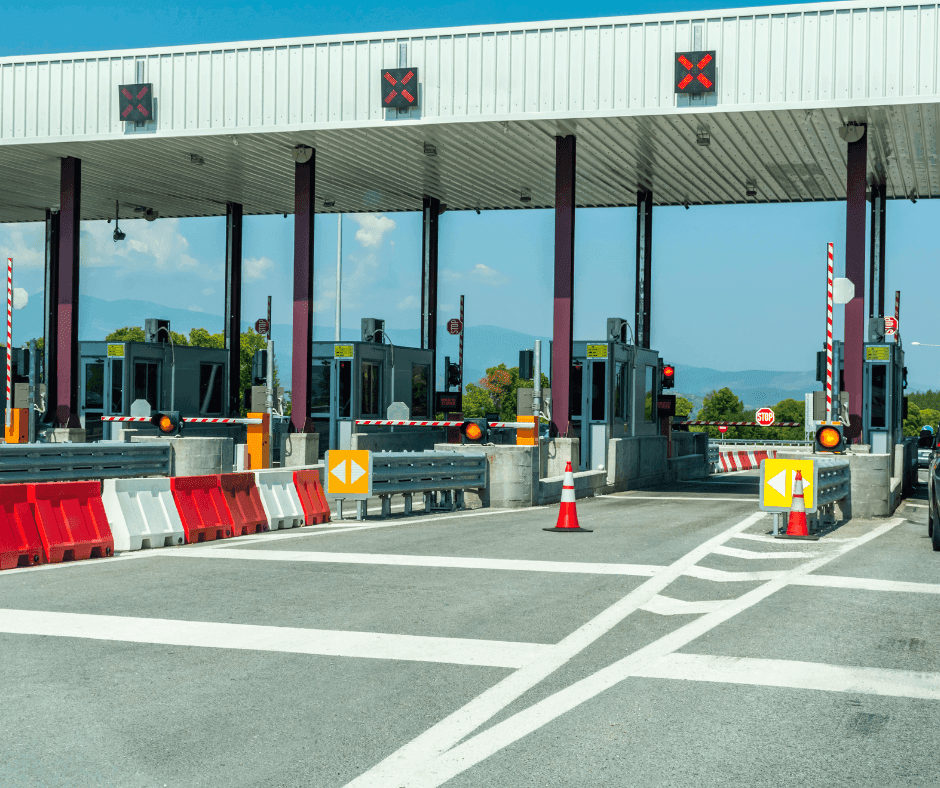
When you approach a toll booth in Costa Rica, you will see overhead signs and lane signs. Choosing the right lane is important so you do not end up blocking a Quick Pass only lane or trying to pay cash where it is not accepted.

Use your own images here and put each explanation under or next to the relevant image.

1. “Exclusivo Quick Pass”

This sign means the lane is exclusively for vehicles with an active Quick Pass device.

  • If your rental does not have Quick Pass, do not use this lane.
  • If your rental does have Quick Pass, this is the fastest option.

Suggested caption for your image:

Look for “Exclusivo Quick Pass” when your car has a Quick Pass device. This lane does not accept cash.

2. “Vía Manual”

This sign means the lane is for manual payment with an attendant.

  • Use this lane if you are paying with cash.
  • Hand the money to the person at the booth and wait for change.

Suggested caption:

If you are paying in cash, choose a lane marked “Vía Manual”. An attendant will take your payment.

3. “Vía Manual y Quick Pass”

Some lanes accept both cash and Quick Pass. These are usually marked “Vía Manual y Quick Pass”.

  • If you are unsure or traffic is heavy, these mixed lanes are often a safe choice.
  • Cars with Quick Pass can still use them, and cash payments are also accepted.

Suggested caption:

Lanes marked “Vía Manual y Quick Pass” accept both cash and Quick Pass, so they are useful if you are not sure which system your car uses.

Make sure to insert your actual images under each of these subheadings with alt text like:

  • alt="Costa Rica toll sign Exclusivo Quick Pass"
  • alt="Costa Rica toll sign Via Manual"

This helps both SEO and AI search understand what the image shows.

Before your first toll booth, check:

  • Does your car have an active Quick Pass device or will you pay cash only
  • Do you have small bills and coins in colones if paying cash
  • Do you know which category you are in (almost always Liviano / Clase 1 for a typical rental)

And while driving:

  • Watch for the lane signs:
    • Exclusivo Quick Pass if you have Quick Pass
    • Vía Manual for cash
    • Vía Manual y Quick Pass for either

FAQ: Tolls In Costa Rica

FAQ: Can I Pay Tolls In Costa Rica With A Card

Can I pay tolls in Costa Rica with a credit or debit card?
Yes. Toll booths in Costa Rica now accept debit and credit cards in addition to cash and Quick Pass. It is still a good idea to carry some colones in small bills as a backup in case the card terminal is temporarily offline, but in normal conditions you can pay all your tolls by card.

Do I need Quick Pass to use the toll roads?
No. Cash & cards work everywhere. Quick Pass is more convenient but not required.

What happens if I take the wrong lane by mistake?
If you enter a Quick Pass only lane without a device, stay calm and follow the instructions from any staff. When in doubt, move slowly and do not reverse; wait for someone to help clear the situation safely.

Are tolls included in my rental price?
Usually not. Tolls are typically paid separately in cash or charged to you later if your car has Quick Pass. Always ask your rental company or Host how they handle tolls.


Legal Disclaimer
This blog post is for informational purposes only and is based on general driving experiences in Costa Rica. Toll prices, categories, road conditions and regulations may change. We strongly recommend checking official sources such as the Ruta 27 operator and the ARESEP toll tariff page for the most up to date information before you drive. Always ensure you have the proper documentation, insurance and knowledge of local driving laws to enjoy a safe and hassle free experience.


Discover more from Costa Rica On Wheels | Ventu Blog

Subscribe to get the latest posts sent to your email.
Leave a Reply