Costa Rica is built for road trips, from jungle routes to coastal drives and mountain towns. However, choosing the right navigation app can make or break your experience.
If you rely on the wrong tool at the wrong time, you could face delays, road closures, or risky routes.
This guide explains when to use Google Maps, when to switch to Waze, and how to stay safe on the road.
📌 What You Need to Know
- Use Google Maps for planning and discovering places
- Use Waze for real time navigation and traffic updates
- Download offline maps before driving to remote areas
- Avoid routes with river crossings or unsafe roads
- Combine both apps for the best driving experience
🗺️ Use Google Maps to Plan Your Trip
Before you start driving, Google Maps helps you build your route and explore your surroundings.
Why Google Maps works best for planning
- Discover attractions, restaurants, and hidden spots
- Read reviews from other travelers
- Visualize your full route before departure
- Save locations for easy access later
Because of this, Google Maps gives you a clear overview of your trip and helps you make better decisions before getting on the road.
🚗 Switch to Waze for Real Time Driving
Once you begin driving, Waze becomes your best tool.
Why Waze is better on the road
- Real time traffic updates from local drivers
- Alerts for accidents, road closures, and hazards
- Faster rerouting when traffic changes
- Widely used by locals, which improves accuracy
As a result, Waze helps you avoid delays and keeps your route optimized at all times.
📶 Always Download Offline Maps
In Costa Rica, signal can drop in rural or mountainous areas.
How to stay connected
- Download Google Maps offline before your trip
- Save key locations like hotels, parks, and gas stations
- Use offline mode as backup when signal is weak
This simple step ensures you never lose your way.

⚠️ Important Safety Tip, Avoid River Crossings
Some navigation routes may suggest shortcuts that are not safe.
What to avoid
- River crossings
- Unmarked rural shortcuts
- Off road paths not designed for regular vehicles
Even if an app suggests it, do not follow these routes.
They can:
- Void your rental insurance
- Damage your vehicle
- Put your safety at risk
Always stick to official roads.
🤝 Trust Local Advice
Apps are powerful, but local knowledge is still valuable.
- Ask locals for safer or faster routes
- Confirm road conditions in remote areas
- Use common sense if something feels wrong
Combining technology with local insight gives you the best results.
🚙 Drive Smarter with Ventu
Navigation is only part of the experience, your rental matters too.
With Ventu, you get a smoother journey from the start:
- Verified vehicles with transparent pricing
- No hidden fees or counter surprises
- Direct communication with local hosts
- Flexible pickup, including airport delivery
That means you spend less time dealing with logistics and more time enjoying the road.
❓ FAQ
Is Waze better than Google Maps in Costa Rica?
For planning yes, but for driving, Waze is more accurate.
Use downloaded offline maps from Google Maps as backup.
🧭 Final Thoughts
The best strategy is simple.
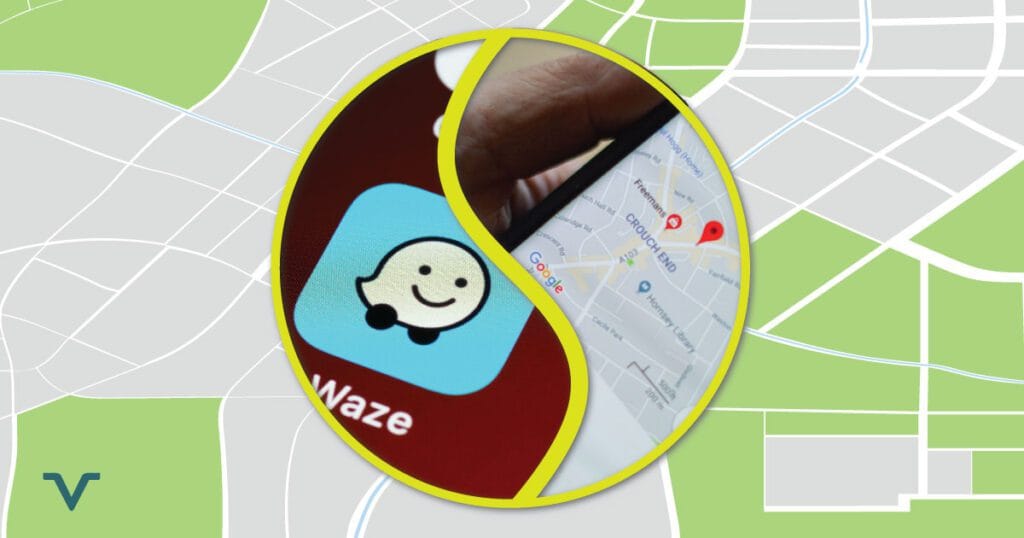
Plan your trip with Google Maps, then switch to Waze when you start driving.
By combining both tools, downloading offline maps, and avoiding risky routes, you can navigate Costa Rica safely and efficiently.
With the right apps and a reliable rental through Ventu, your road trip becomes easier, safer, and far more enjoyable.
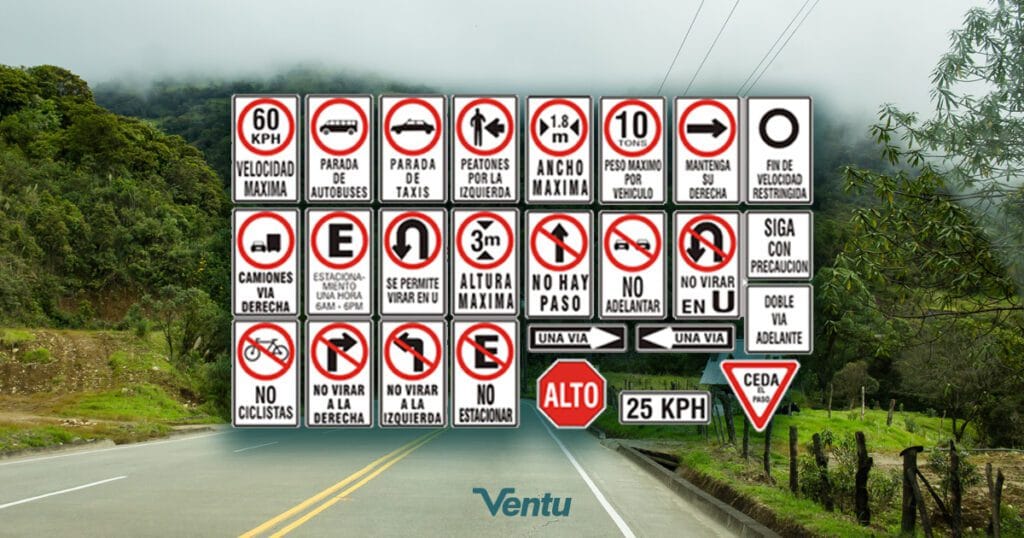
Before hitting the road, it is important to understand the driving rules in Costa Rica, especially speed limits, right of way, and legal requirements.

Discover more from Costa Rica On Wheels
Subscribe to get the latest posts sent to your email.